

Understanding Panic Disorder: When Fear Strikes Suddenly and Uncontrollably | Safe and Sound
Panic disorder is a type of anxiety disorder that can significantly impact quality of life if not properly identified and supported. Understanding this condition helps patients and their families view the problem more objectively and know when to seek professional help.
There are times when a person is working, studying, or going about their normal activities but suddenly experiences intense fear. A rapid heartbeat, shortness of breath, dizziness, chest pain, or a feeling of being out of control lead them to believe they are in danger. These experiences are not only unpleasant but can also create lasting anxiety about the possibility of a panic attack returning at any time.
What is panic disorder?
Panic disorder is a condition belonging to the anxiety disorder group, characterized by recurring panic attacks. These attacks usually start suddenly, occur with high intensity, and are accompanied by many physical and psychological symptoms.
During a panic attack, the patient may feel like they are about to die, go insane, or completely lose control of themselves, even though there is no apparent danger present.
A panic attack is the sudden onset of intense fear, anxiety, or distress. Symptoms typically appear rapidly and are accompanied by strong bodily reactions.
A panic attack can last from a few minutes to several tens of minutes. Although the experience is often frightening, the panic itself is usually not life-threatening, and symptoms subside over time. However, many manifestations of a panic attack, such as chest pain, shortness of breath, rapid heartbeat, or dizziness, can also occur in certain physical illnesses. Therefore, especially if this is the first time it has occurred or if the symptoms are unusual, severe, or prolonged, patients should not self-diagnose it as a panic attack but should seek appropriate medical evaluation.
Many people may experience one or a few panic attacks in their lives and recover without treatment. Panic disorder, on the other hand, typically involves recurring panic attacks, accompanied by constant anxiety about the next attack or behavioral changes aimed at avoiding situations they believe might trigger a panic attack.
One or a few panic attacks do not equate to panic disorder. Panic disorder is considered to be present when panic attacks recur, often unexpectedly, and the patient maintains prolonged anxiety about future attacks or changes their behavior to avoid them.
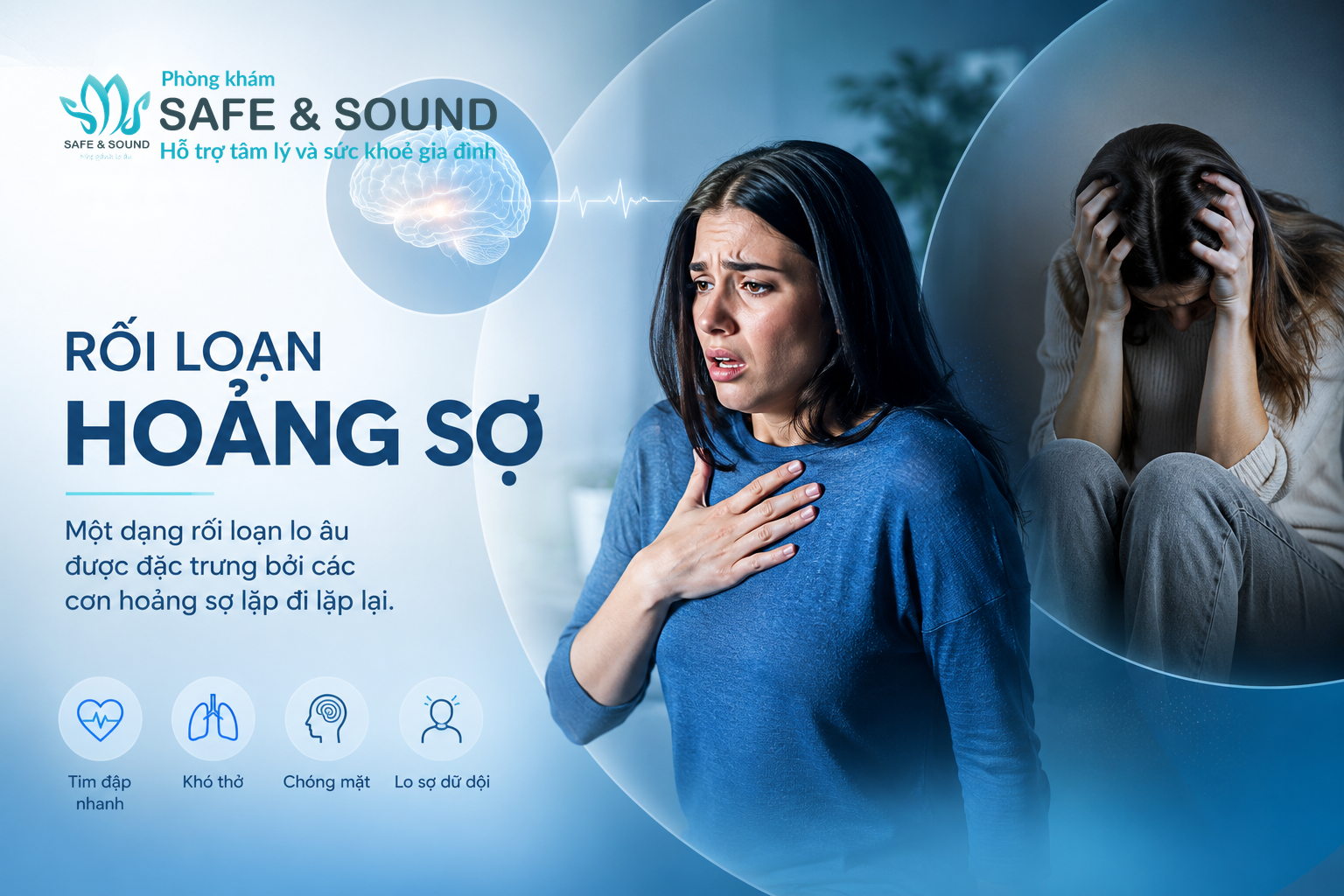 What happens when a panic attack occurs?
A panic attack is a sudden outburst of intense fear, accompanied by strong physical and emotional reactions. These experiences can make the sufferer feel as if they are facing a dangerous or life-threatening situation.
The sudden onset of intense fear.
A defining characteristic of panic attacks is their rapid onset and intensity. Unlike many common anxiety states that tend to build up over time, panic attacks can erupt in just minutes and quickly reach their most intense level.
Many people report that they are doing very ordinary things like driving, working, shopping, or relaxing when they suddenly feel a wave of fear come over them. This feeling is often so intense that the sufferer finds it difficult to pinpoint the specific cause and doesn't understand what's happening to them.
In some cases, panic attacks occur completely unexpectedly. In other cases, panic attacks may be related to situations that have previously caused stress or made the patient feel unsafe. Over time, the fear that a panic attack could recur at any time can become a significant source of stress for the patient.

Common bodily manifestations
When a panic attack occurs, the body reacts as if facing a dangerous situation that requires a fight or escape. The autonomic nervous system is strongly activated, leading to a series of changes in heart rate, breathing, and the activity of many other organs.
Patients may experience symptoms such as:
- Rapid heartbeat or palpitations
- High blood pressure
- Difficulty breathing or feeling like you're not getting enough air to inhale.
- A feeling of suffocation or tightness in the throat.
- Sweating excessively even without exercising.
- Tremors in the hands and feet or tremors throughout the body.
- Dizziness, lightheadedness, or feeling like you're about to faint.
- Chest pain or discomfort
- Nausea or stomach discomfort
- A feeling of numbness or tingling in the hands and feet.
- Sudden sensations of heat or cold.
These symptoms often appear almost simultaneously, giving patients the feeling that their bodies are becoming unstable or that they are experiencing a serious health problem. Although the symptoms can be very intense, they do not necessarily mean that the patient is actually in a life-threatening condition.
Expressions of emotions and thoughts
In addition to physical reactions, panic attacks also produce dramatic emotional and cognitive changes. This is why many people describe panic attacks as one of the most terrifying feelings they have ever experienced.
During a panic attack, the patient may feel:
- Intense fear without understanding the cause.
- Extreme anxiety and difficulty calming oneself down.
- It feels like a disaster is about to happen.
- A feeling of helplessness in the face of what is happening inside the body.
- Fear of losing control of behavior or emotions.
- Fear of going insane or losing control of one's thoughts.
Some people also experience feelings of alienation from themselves or their surroundings. They may feel that everything is unreal, hazy, or as if they are being watched from the outside. These experiences often increase fear because the patient does not understand the cause and worries that they are experiencing a serious neurological or mental health problem.
>> See also: Panic Disorder: Symptoms and Treatment
Causes and factors that may increase the risk of panic disorder.
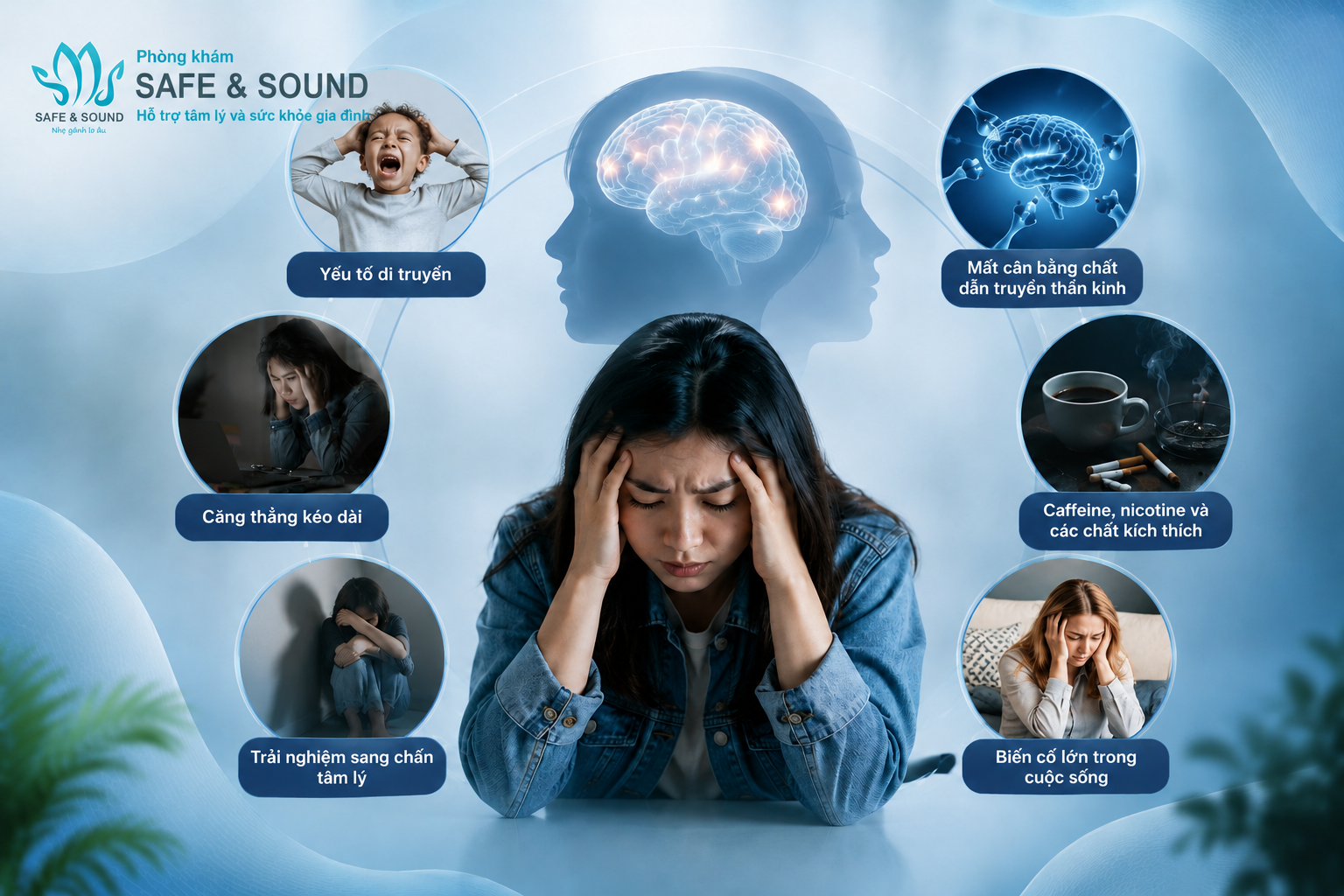
Previously, panic attacks were thought to occur randomly and were difficult to explain. However, many studies show that panic disorder is often related to a combination of different factors, including biological characteristics, genetics, life experiences, and environment.
Although the exact cause is not yet fully understood, researchers note that changes in the activity of brain regions associated with fear and anxiety, along with imbalances in certain neurotransmitters such as serotonin and epinephrine, may contribute to an increased risk of panic attacks. In some individuals, the body's danger warning system may become oversensitive, triggering protective responses even when there is no apparent danger.
In addition, a family history of panic disorder, prolonged periods of stress, major life events, or postpartum depression are also considered significant risk factors. Past traumatic experiences, for example, can also make some people more susceptible to anxiety and panic responses.
Additionally, the use of tobacco, caffeine, or certain medications such as steroids, thyroid medications, weight-loss drugs, or some respiratory medications can also increase the likelihood of or worsen panic attacks in individuals with risk factors.
 Treatment and support options for people with panic disorder.
Panic disorder can significantly impact quality of life if not properly identified and managed. However, it is a treatable condition that can be managed through various methods.
The choice of intervention will depend on the severity of symptoms, individual needs, and expert assessment, with the goal of reducing the frequency of panic attacks, improving coping abilities, and gradually restoring daily activities.
Psychotherapy
Psychotherapy is one of the important support options for people with panic disorder.
- Cognitive-behavioral therapy (CBT): CBT helps patients identify distorted thought patterns related to fear and learn how to respond more appropriately to their bodily symptoms. Through therapy, patients can gain a better understanding of the misinterpretations that contribute to the cycle of anxiety and panic.
- Exposure therapy and other supportive methods: In addition to CBT, other forms of support such as exposure therapy, relaxation techniques, meditation, mindfulness, or breathing exercises may also be applied depending on the individual case.
Drug treatment in some cases
Several groups of medications may be considered in the treatment of panic disorder, including antidepressants and anti-anxiety medications.
Medication use should be prescribed and monitored by a doctor. Patients should not self-medicate or discontinue medication on their own, as some medications can cause side effects or lead to drug dependence.
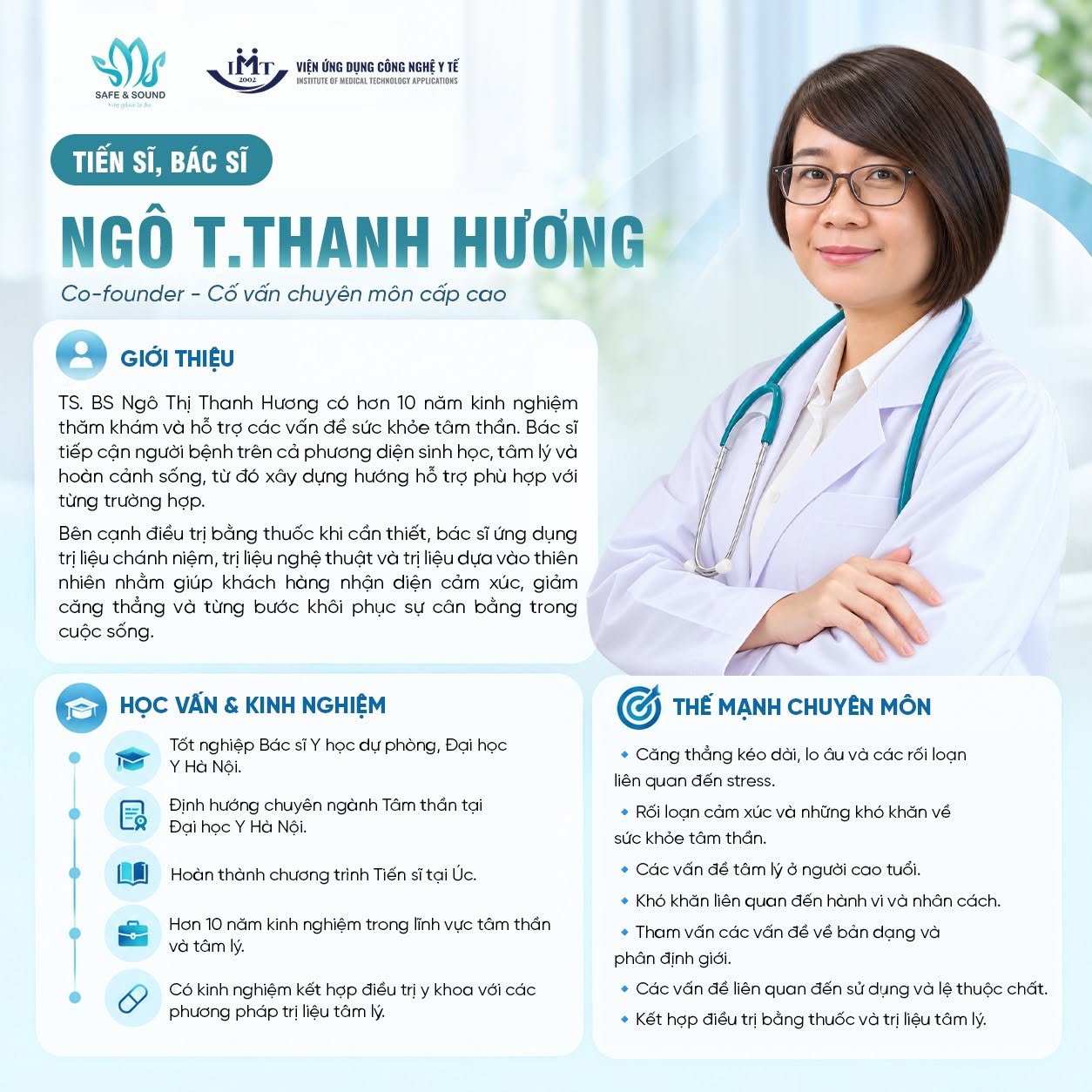
Depending on the individual case, the doctor may consider psychotherapy, medication, or a combination of these methods. The choice should be based on the severity of symptoms, comorbidities, medical history, and individual needs.
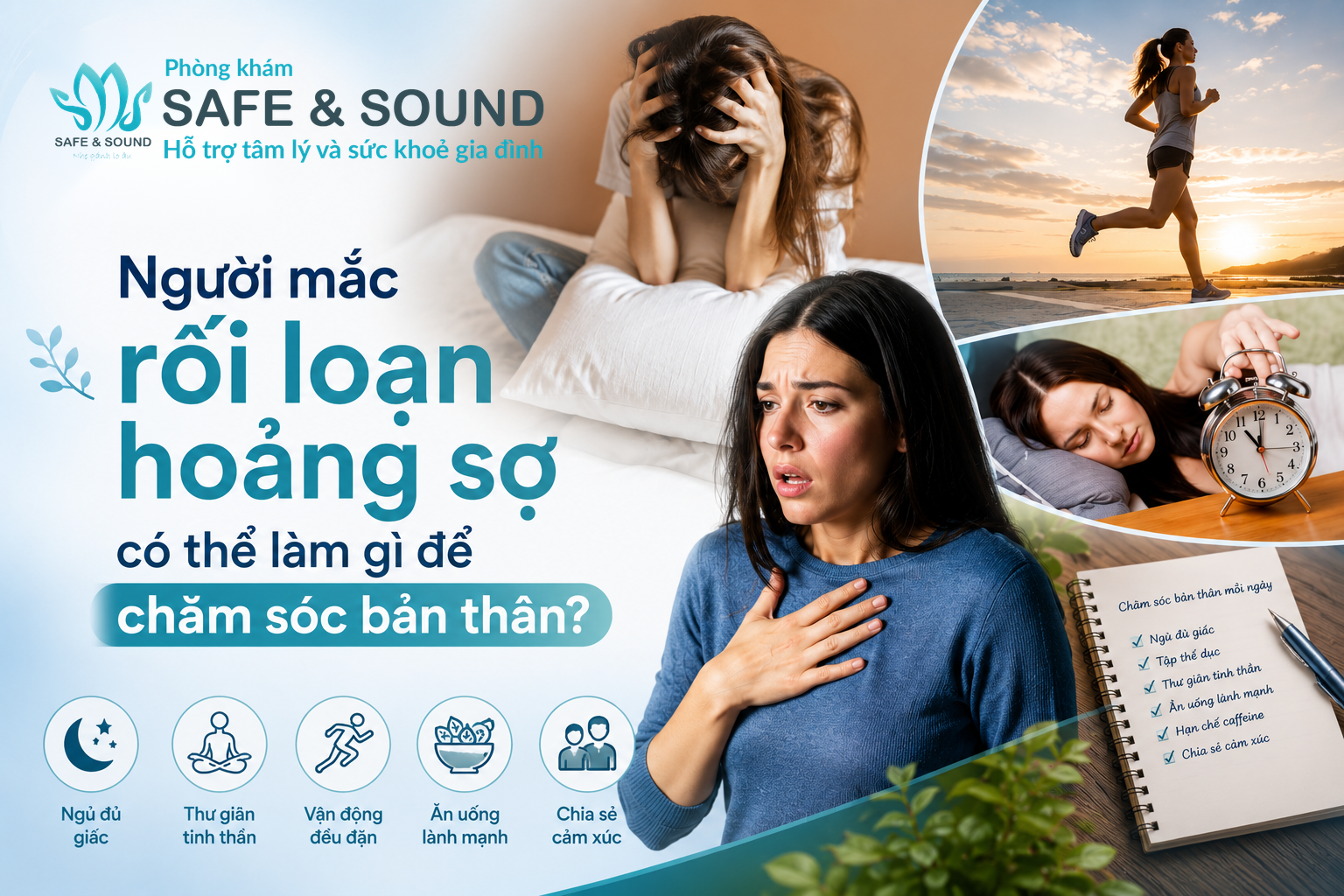
What can people with panic disorder do to take care of themselves?
In addition to professional treatment, self-care plays a crucial role in managing panic disorder. Maintaining adequate sleep, a balanced diet, and a stable daily routine can help the body and nervous system function more efficiently, thereby reducing susceptibility to stress.
Many people also find that slow breathing techniques, relaxation, or meditation help them calm down when feelings of anxiety arise. Regular physical activity such as walking, jogging, cycling, or swimming not only supports physical health but also contributes to improved mood and reduced stress levels.
At the same time, limiting tobacco, caffeine, and other stimulants can help reduce the risk of developing or worsening panic symptoms in some people. Equally important, patients should not face difficulties alone.
 When should you seek professional help?
Not every panic attack means a person has a panic disorder. However, when these experiences begin to affect daily life, seeking support from a mental health professional can help individuals understand their condition and find appropriate interventions.
Here are some signs that you should consider seeing a professional:
|
Token |
Common symptoms |
|
The panic attack occurred repeatedly. |
Panic attacks occur frequently or tend to become increasingly severe, leaving the patient in a constant state of anxiety and vigilance. |
|
Fear affects daily life. |
Anxiety and fear begin to impact studies, work, personal life, or relationships with those around you. |
|
Persistent avoidance behavior has emerged. |
Patients proactively avoid places, activities, or situations previously associated with panic attacks for fear of a recurrence of symptoms. |
|
Feeling like you've lost control of yourself. |
Prolonged fear makes it difficult for sufferers to regulate their emotions, thoughts, or cope with everyday situations. |
It's important to remember that seeking support doesn't necessarily mean the situation has become serious. On the contrary, early assessment can help patients understand the causes of their symptoms, reduce anxiety, and choose the support that best suits their individual needs.
At SNS (Safe & Sound Clinic), every psychological experience is viewed as a unique story that needs to be listened to and understood. The assessment and support process is conducted with respect for individuality, helping patients better understand what they are going through, while gradually building a sense of safety and balance in their lives.
Conclude
Panic disorder is a type of anxiety disorder characterized by sudden, intense panic attacks that can cause a wide range of physical and psychological symptoms. While these experiences are often terrifying, understanding the true nature of panic disorder can help reduce unnecessary anxiety and support the process of seeking appropriate help.

In many cases, patients may have difficulty distinguishing panic disorder from physical health problems or other forms of anxiety. Being evaluated by a mental health professional can help clarify the underlying causes of symptoms, thereby developing a personalized support plan.
At SNS (Safe & Sound Clinic) , patients can receive a comprehensive listening and assessment, and be supported in the process of gaining a better understanding of their mental health, rather than just focusing on controlling immediate symptoms.
If panic attacks become recurring or begin to affect daily life, talking to a mental health professional is a crucial step to getting timely assessment and support.
